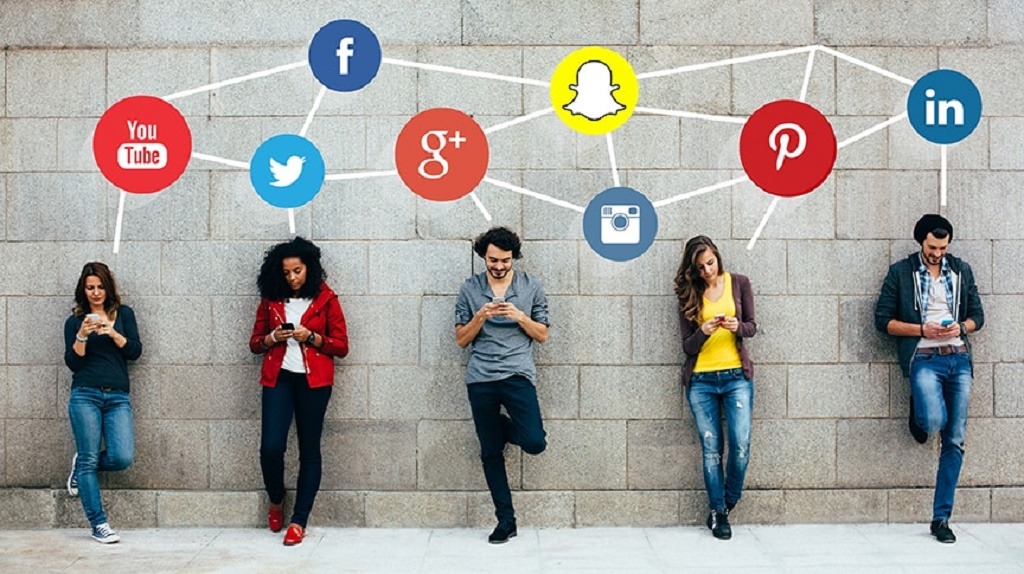
Websites like Facebook and Twitter have taken over social networking. Businesses, both big and small, are optimizing on these social media sites to get their message across and spread awareness of products and services. One in every nine people on Earth owns a Facebook profile, while there are about 190 tweets sent out daily. Social media is used across nations to promote brands; there are a few tips that can ensure client attention.
Additionally: Global social media usage changes every year, and brands that adapt their communication styles for different regions often experience faster audience growth and stronger trust.
Be Aware of Vital Networks
Even though Facebook and Twitter are immensely popular, this is not the same in every country. Each country has its own set of local networks that are more widely used by people from that particular country. For instance, people in Japan use Mixi, while most of Northern Europe use Xing. It is hard to narrow down your options to just one network.
Having presence on more than one network can prove beneficial. It is most sensible to open separate accounts based on geographic distinctions and not lingual. This is important because sometimes the same language may be spoken in different countries but there are multiple dialects and cultural differences among the countries. For example, the French spoken in Quebec is different from that spoken in France.
Case Study: Brand Growth Using Local Social Networks
A clothing startup from India expanded into Japan but saw almost no engagement on Facebook or Instagram. After researching local platforms, they created a Mixi community page using culturally relevant visuals and Japanese captions.
Within three months, their Mixi page grew to 18,000 followers, and sales from Japan increased by 42%. This proved the importance of choosing the right region-specific network rather than relying only on global ones.
Localize Content
Having two or more accounts on different social media sites does not mean the same messages and information can be copied and pasted across all. Every site has a different audience and this should be catered to. It is important to do sufficient research on local trends, keywords, and languages. This will help get the message across better. Stating instances from locally occurring events and talking about current news will ensure aroused local interest.
Hiring a translator who is a local would be ideal. Giving personalized attention to people, and answering their comments and questions adds value as well. This is not an easy task, and so it may make sense to entrust it with a local good, but SEO writing or article spinning service that can create decent versions of the same content in multiple languages.
Additionally: Localization does not only mean translation; it means cultural adaptation. Colors, humor styles, symbols, and even emoji meanings differ across countries and must be used carefully.
Social Media Is Used Differently by Cultures
People from different countries use their social networking sites for different purposes. For instance, Brazilians blog a lot, Germans use Twitter to discuss news and other information, while people from Indonesia reply to comments and tweets. China has some censorship policies, which influences the content posted on its social media.
It is important to understand what the usage trends of a country are. Using social media in an irrelevant way and posting information that is out of context will only disinterest the audience.
Final Thoughts
These are some tips which can help you in making some good SMO campaigns. We’re also providing Social Media Course which we have designed to go through a deeper way.
Delhi Courses Academy is a leading institute offering the best digital marketing course in Delhi NCR known for its practical training, affordable fees, and industry-focused curriculum. With 15+ certifications, 100% placement assistance, and hands-on projects, it prepares students for real-world challenges.