e-Marketing vs m-Marketing for Small Businesses: Choosing the Right Strategy
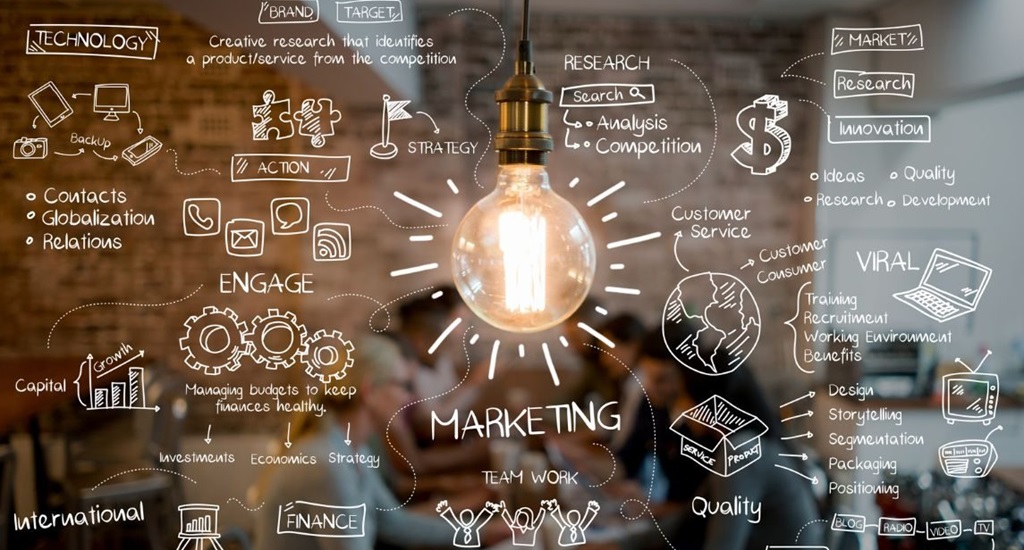
Finding and making the best of whatever economical means of advertisement are available is very important for small businesses. Unlike the big wigs, small businesses do not have the luxury of allocating hefty amounts to their marketing campaigns. As per studies, almost eighty percent of small companies struggle with their marketing strategies. Among many of the techniques utilized by several businesses, e-Marketing (electronic marketing) and m-Marketing (mobile marketing) are becoming increasingly effective.
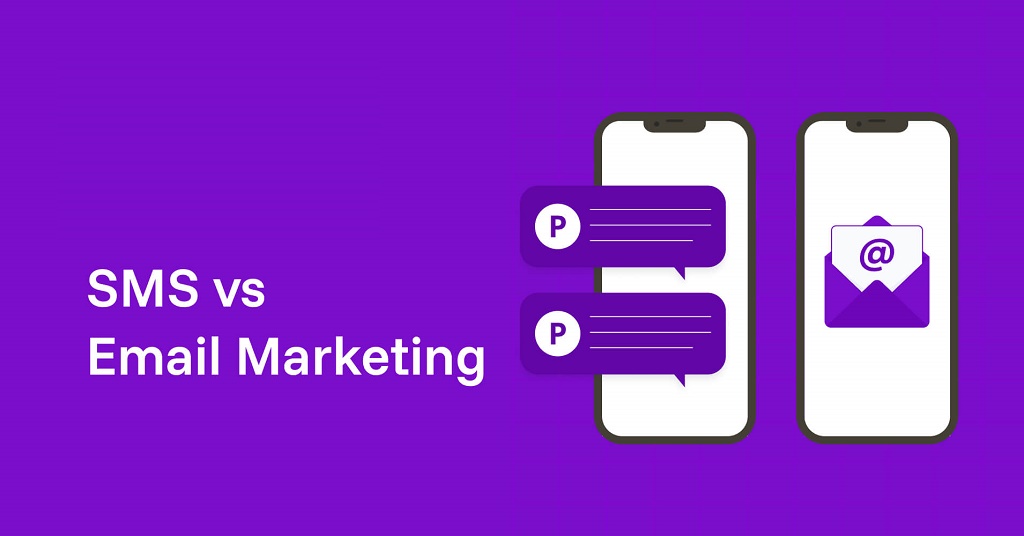
While both of these techniques have proven to be fruitful for various businesses, there are some who prefer one over the other. Both of these methods come with their own pros and cons, which are discussed below. First, have a look at e-Marketing.
What Is e-Marketing and What Are Its Benefits?
e-Marketing is a very broad term which encompasses all of the marketing methods used on the web. One particular method which continues to be immensely effective for small businesses is marketing via email. This method not only allows small businesses to market their products along with new offers and deals, but also lets them reach out to new as well as existing customers. This is a very cost-effective method which can be utilized by just about any business, no matter how small.
e-Marketing is very economical since more often than not, the only thing that you are spending on this method is your time and energy. Since emails are almost free of charge, the cost involved is minimal. This medium gives you a lot of flexibility in terms of space, so you have the liberty of being as expressive and detailed as you wish.
Another very economical method is making the most of social media. Websites like Facebook or LinkedIn have immense potential and the best part is, they are totally free. Last but not least, you can get your own business website very cheaply and optimize it for search engines.
Additionally:
e-Marketing also allows better tracking and analytics. Businesses can measure open rates, click-through rates, and conversions, making it easier to refine campaigns and focus only on what delivers results.
What Is m-Marketing and How Does It Help?
m-Marketing is, as the name suggests, mobile marketing. Mobile marketing is something to look out for, as it is expected to grow at a very fast pace given the increasing number of mobile users. Though you will have to deal with the stigma of spam, your customers might not mind getting a message from a business they already deal with, especially if it informs them about saving money on a particular product through a special offer.
One of the biggest advantages of mobile marketing is that it allows you to catch people on the go. When a customer receives a message from a nearby restaurant or a fashion store about a sale or promotional offer, the chances of that customer visiting that shop or even recommending it to friends are quite high.
The shortcoming of this method is that more often than not, people are hesitant to share their personal mobile number. So obtaining buyers’ contact details is harder than e-Marketing. Even when you get them, you have to be cautious, because if you send five to ten messages to your customers every day, you may end up harming your business rather than helping it.
Instructions: How Small Businesses Can Use Both Marketing Methods Effectively
Start with e-Marketing by building an email list from your existing customers and website visitors. Send well-timed emails with clear value, such as discounts, updates, or useful information. Once trust is built, gradually introduce m-Marketing by asking customers for mobile opt-ins at checkout or through exclusive SMS offers. Always limit message frequency, personalize content, and track responses to avoid over-messaging.
Case Study: Combining e-Marketing and m-Marketing for Growth
A local retail store began with email marketing to promote weekly deals and new arrivals. After building a loyal email list, they introduced mobile marketing by offering SMS-only flash discounts to customers who opted in. Emails drove long-term engagement, while SMS messages boosted immediate foot traffic during sales periods. By balancing both strategies, the business increased repeat customers without increasing its overall marketing budget.
Choosing the Right Marketing Technique for Your Business
So, which technique should you pick for your own business? The answer to this question is really up to you. Even though e-Marketing has been a popular medium for some time, the axis is clearly shifting towards m-Marketing, which might be a little costlier compared to e-Marketing but can prove to be much more effective in the long run when used correctly.
Conclusion
Both e-Marketing and m-Marketing offer powerful, budget-friendly solutions for small businesses. e-Marketing excels in reach, flexibility, and analytics, while m-Marketing stands out for immediacy and local engagement. By understanding their strengths and limitations and using them together strategically, small businesses can build stronger customer relationships and achieve sustainable growth without overspending.
Delhi Courses Academy is a leading institute offering the best digital marketing course in Delhi NCR known for its practical training, affordable fees, and industry-focused curriculum. With 15+ certifications, 100% placement assistance, and hands-on projects, it prepares students for real-world challenges.