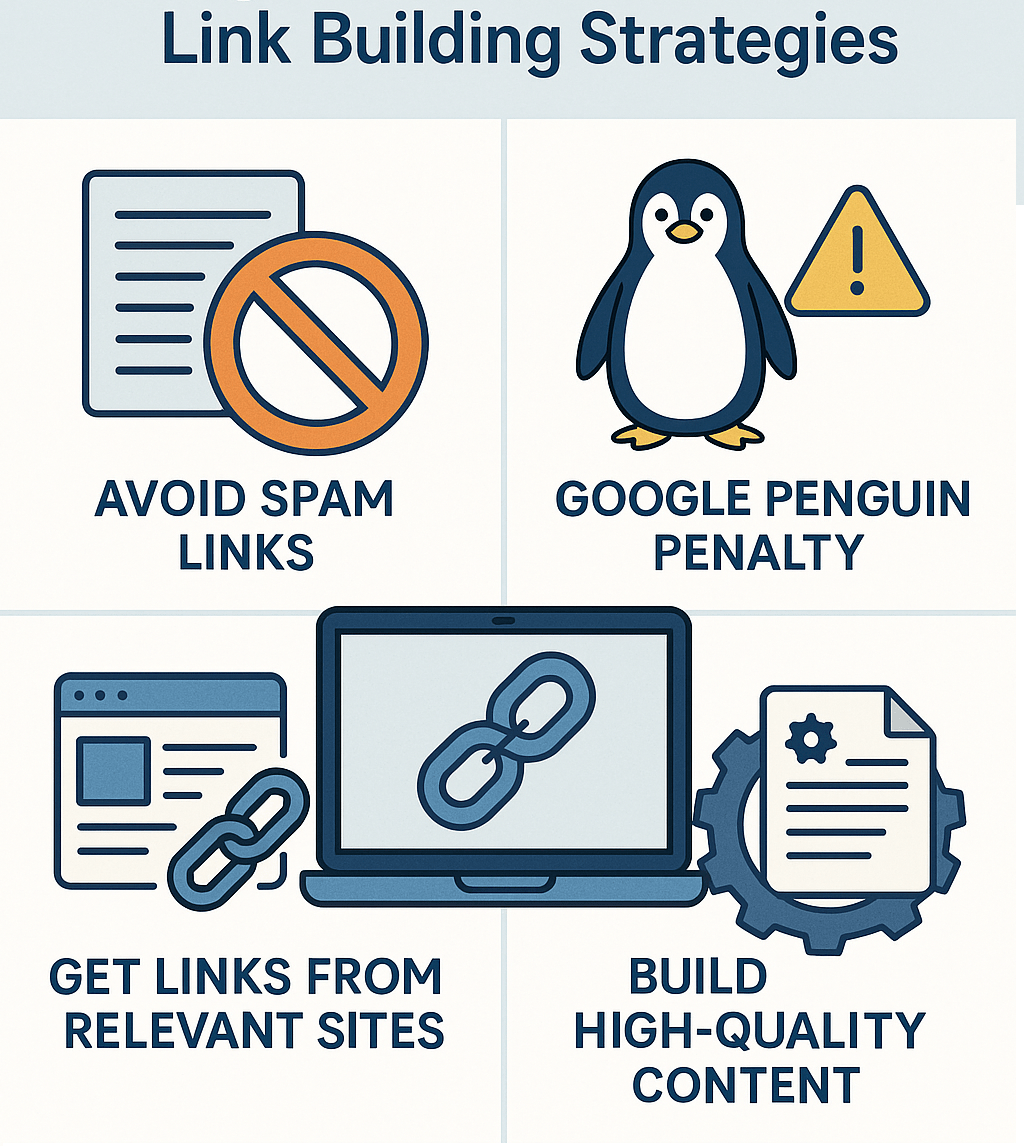
A website or a blog may be killed overnight if it gets hit by the Google Penguin update, and if you are a webmaster or a blogger then you know very well that it’s really hard to recover from this penalty. The only way is to avoid spamming and do only legitimate work because even a little spam activity may penalize your whole website. Today I am going to discuss three best ways that can boost your blog’s ranking and make your blog anti-Penguin.
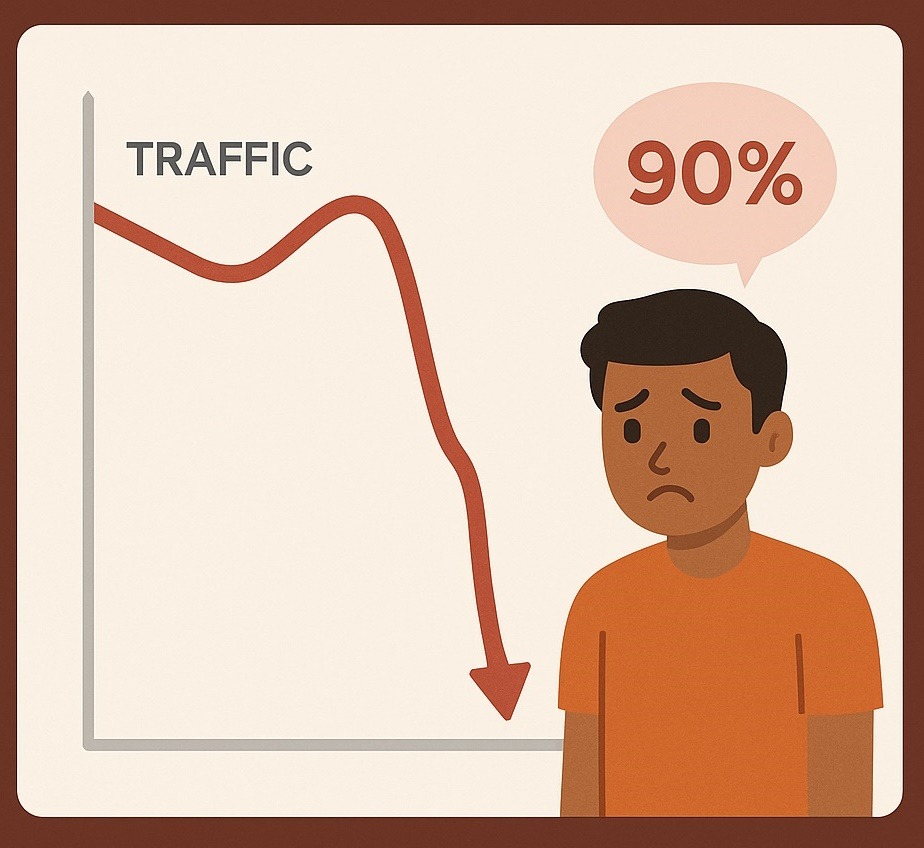
Tip: A real example is the 2012 Penguin update, where thousands of Indian blogs that used mass directory submissions lost 90% of traffic overnight and never recovered.
What not to do with Your Blog
1. Inbound Spam Links
Inbound spam links can completely damage a blog or a website overnight. Many webmasters and bloggers buy paid links from high PR sites. They forget that high PR sites do not always mean high authority sites. There is a huge difference between high PR and high authority sites. Anyone can increase its site’s PageRank by getting do-follow links from other high PR sites, but that does not mean that the site is high authority and high quality.
A high-quality and high-authority site must have the following:
At least Google PR1 (means the site has quality content and quality backlinks)
Alexa Rank below 50,000 (means the site has a good volume of daily visitors)
More than 100 pages indexed in search engines (means the site is large and legitimate)
Updated at least twice or thrice a week (regular updates build authority)
Age of the site (old is gold applied here)
If your site is getting unnatural or unwanted backlinks, you can use Google’s Disavow Tool to remove such links from Google.
Tip: Case study – A travel startup bought 300 paid homepage links in 2017. Within 15 days, traffic dropped from 2,000/day to 200/day. After disavowing links and cleaning profile, recovery took 4 months.
2. Outbound Link Spamming
Here comes the second most important thing. I saw many site owners selling links to earn money. It might look like a good way to monetize a blog, but Google is against selling links. I can give you examples of many sites that were killed overnight due to link selling.
A do-follow link on your site pointing to another is considered an unnatural link. Mostly these kinds of links appear in sidebars and footer sections. I strongly recommend you to stop such activities to protect your site from Penguin. If you are doing this, remove such links immediately or add a no-follow tag to them.
Tip: Example – In 2015, a popular smartphone review blog in India sold 20 sidebar links monthly. After a Penguin refresh, it lost 70% traffic and Adsense income dropped from ₹45,000 to ₹8,000 per month.
3. Link Relevancy
The third most important thing is link relevancy. Backlinks are very important to rank a website in terms of SEO, but it doesn’t mean that you should create links anywhere. Relevant link building means getting links from sites similar to your niche.
For example, if you have a technology-related blog, it will be better for your blog’s health if it gets links from technology-related sites.
Tip: Case study – A health blog created 200 backlinks from gaming websites. None of the keywords ranked. Later, it built 20 high-quality links from health blogs. Within 90 days, organic traffic grew from 50/day to 900/day.
Conclusion
If you are creating backlinks for your site then remember the following things:
What is the Google PR of that site?
What is the Alexa rank of that site?
Is that website’s niche relevant to yours?
Age of that site?
Keep in mind the above points and your site will never get affected by any upcoming Penguin updates.
Tip: When an e-commerce brand audited their links with these rules, they removed 40% spammy links, built 30 niche links, and increased organic revenue by 120% in 6 months.
Delhi Courses Academy is a leading institute offering the best digital marketing course in Delhi NCR known for its practical training, affordable fees, and industry-focused curriculum. With 15+ certifications, 100% placement assistance, and hands-on projects, it prepares students for real-world challenges.