Ecommerce traffic building is a lot more challenging than building traffic to any other type of website or blog even. With a website or blog your aim is to build traffic and attract users to encourage them to engage and interact on your site, whilst with an ecommerce website you’re looking to attract traffic that will both engage and convert into paying customers. So how do you effectively implement ecommerce traffic building methods that will convert? Let’s take a look at 10 effective ways.
Good Website Design
The design of your ecommerce website needs to be of top quality. This means creating an eye-catching homepage displaying your products and promotions whilst boasting and implementing easy and accessible navigation for your visitors.
SEO
Search engine optimization is essential for your site to rank well in the search engines, as this will eventually provide the bulk of the traffic to your site. If your ecommerce site contains a lot of product pages with descriptions, then SEO can be applied to these pages so that they too can rank well in the search engines.
Tip: A case study from Nykaa showed that rewriting 12,000 product descriptions with relevant keywords increased organic search visibility by 145% and reduced dependency on paid ads within 6 months.
Submit To Online Directories
Submit your ecommerce website to online business and shopping directories, very useful.
Tip: Many Indian retailers listed on JustDial, Sulekha, IndiaMart and Google Business Profile reported increased local traffic and call-based conversions after consistent directory submissions.
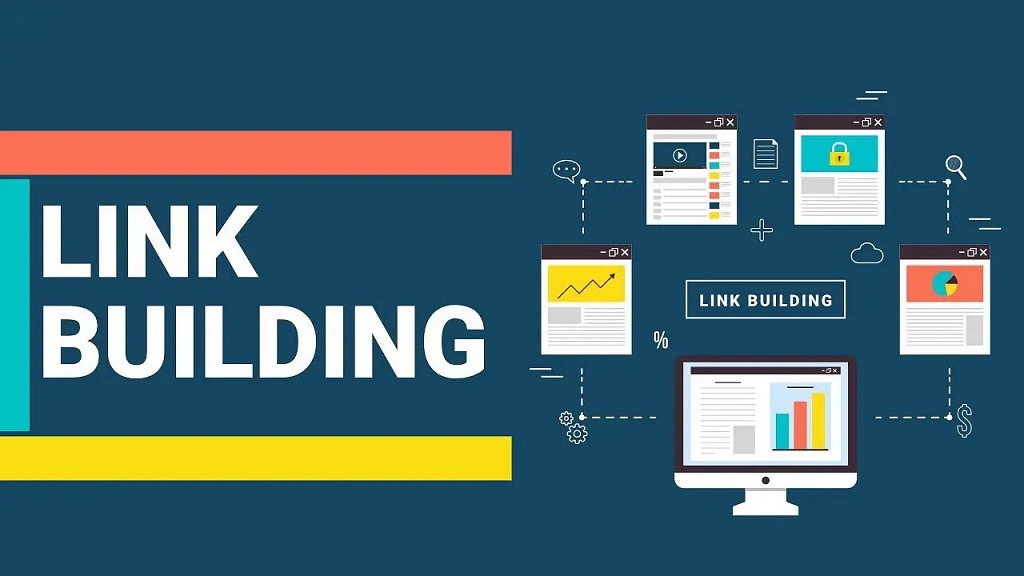
Build SEO Quality Backlinks with Content Related Websites
Participate in a reputable link exchange programme or build backlinks with content-related websites and blogs.
Tip: A small accessories brand collaborated with 20 fashion bloggers for backlink swaps, resulting in a 32% increase in organic traffic and featured snippets for competitive keywords.
Add A Blog
Adding a blog to your ecommerce website is beneficial for several reasons; the main reason is that it encourages your visitors to engage on your site. A blog added to your ecommerce website can be used to break news, carry out product and service reviews, hold monthly competitions, publish testimonials, perform case studies and publish product tutorials and much more. As well as this it can add great SEO values to your ecommerce site.
Tip: A travel ecommerce brand started publishing weekly tips and packing guides and saw a 3X rise in return visitors and a 20% increase in average order value from blog readers.
Add Social Bookmarking Tools To Your Product Pages
Use social bookmarking tools such as the Facebook Share or Like button, Tweet and Retweet buttons, StumbleUpon and Digg buttons to your product pages. This is very effective and can encourage your visitors to share products and services on your site with their friends on social networking sites.
Tip: Fashion retailer “Bewakoof” saw massive viral spikes because customers shared quirky products via Facebook share buttons directly from product pages, resulting in low-cost viral acquisition.
Use Social Media
Create a Facebook business page or fan page and a Twitter profile for your ecommerce site, build lots of targeted followers and fans. Like a blog, you can interact and engage with your followers and post links to articles and products from your ecommerce site onto your social network profiles.
Tip: Mamaearth used influencer partnerships and daily social interactions to scale from zero to a multi-crore brand, driven largely by organic engagement on Instagram and Facebook.
Participate In Good Ecommerce Practices
Get your ecommerce site listed in sites such as The Good Shop Guide, The Good Net Guide and ValidSafe.
Tip: Trust badges, certifications and reviews boost conversions. For instance, “BlueStone” increased conversion rates by 19% after adding trust badges and secure payment certifications across pages.
Build An Email List
Join an email marketing service provider and place an opt-in form on your ecommerce website’s homepage. Building a list is a great way to take your products directly to your customers and promoting online sales.
Tip: An online cosmetics brand used automated email flows and increased repeat purchase revenue by 38% within 3 months by targeting cart abandoners and repeat buyers with personalized offers.
Advertise
Finally, use social media, search engine and press release advertising opportunities to give your ecommerce site some extra exposure.
Tip: A grocery startup ran localized Google Ads with “near me” keywords and generated over 10,000 orders in 30 days with ₹1.5 lakh ad spend, demonstrating how targeted paid ads influence fast conversion.
Enjoyed this post? Why not subscribe to our email updates, join us on Twitter or Facebook.
Delhi Courses Academy is a leading institute offering the best digital marketing course in Delhi NCR known for its practical training, affordable fees, and industry-focused curriculum. With 15+ certifications, 100% placement assistance, and hands-on projects, it prepares students for real-world challenges.