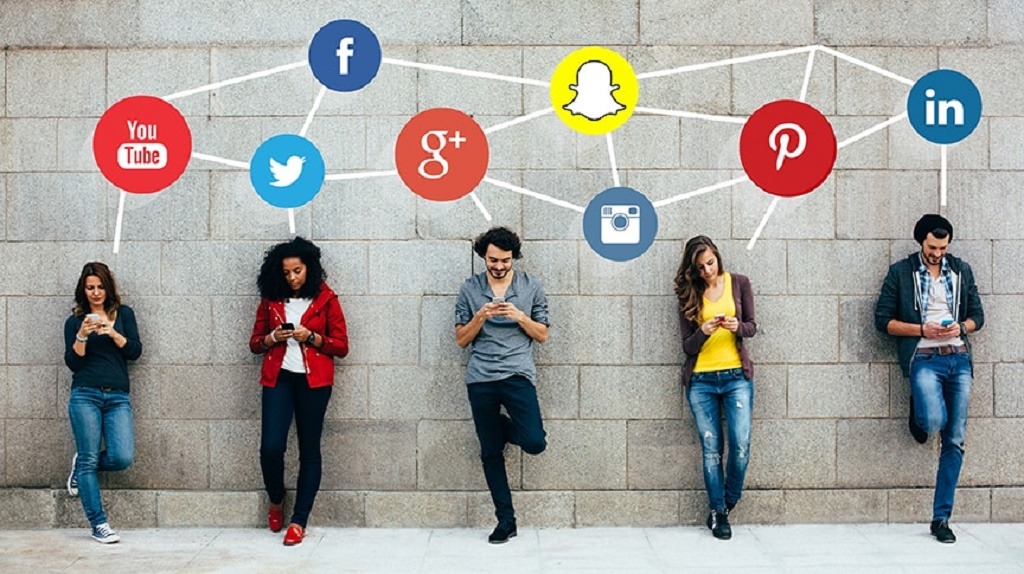
Social Media: Facebook vs Twitter for Business Marketing
We’ve heard it all before: social media is providing a new means of effective internet marketing that is able to connect businesses to consumers in the most efficient ways. You have probably read enough articles, ideas, and theories on the varying levels of effectiveness that social media provides your site and business.
Undoubtedly, the most widely used social media communities are Facebook and Twitter, and the sites themselves are continuing to cater more and more to marketers. Now more than ever, they have been optimized fully, yet some have seen the changes as evolution while others view them as deconstruction.
Which platform do you spend more time on when trying to push your business? It’s hard to make a universal decision over which one is better than the other, since each person locates varying benefits. However, advantages and disadvantages for both are pretty clear, which is what we’ll point out here.
Tip:Example: Twitter is great for news-driven industries like crypto, politics, and tech, while Facebook benefits lifestyle, ecommerce, and education. Case Study 3: A Noida-based tech blogger got 90% of his backlinks from Twitter interactions, not Facebook, because the tech audience is more active there.
Facebook
Much like a website, every business now has a Facebook fan page, and for very good reason. Such a platform allows a business owner to directly speak with would-be consumers and loyal patrons about their needs and wants, and the return is pretty visible. The brand of a business is also extremely transparent, due to the heavy use of media that the network allows, which many should be aware of how to use correctly.
Some people have not been a big fan of Timeline for some reason or another, but it should have been seen as a golden opportunity for businesses. With richer live updates and higher media integration, Timeline has definitely been one of the best additions for Facebook marketing since it began. It is basically a secondary website for a company on top of their own already, but more community-focused.
The one main issue with Facebook – especially this year – is how more viruses and bots have spread through the website, which has done everything from spreading fake promos to fake profiles. This can be extremely misleading for businesses that are trying to weigh out the overall effectiveness of their Facebook operation.
This was a big story during the middle of the year when Facebook had to file a fact that 83 million profiles on Facebook were some sort of fake setup, and not actual people.
Tip:Example: Using tools like Meta Business Suite, DM automation, and page verification reduces bot interactions significantly. Case Study: A Jaipur startup reduced spam inquiries by 92% through automated moderation and filtering rules.
Twitter
Admittedly, I didn’t get a Twitter until recently since I failed to recognize any real benefits that it delivered for branding. I’m still pretty much on the fence about it, as my interaction with the network is meager at most. Probably one of the better things about Twitter over Facebook is that the visibility of all content that comes off of one’s account can be seen by anybody, so there is no requirement to “like” first. Sure, if you want to follow for more consistent updates, it’s an easy option.
The problem with Twitter is that it is hard to see what all of the followers and tweets really do in the long run for potential business. Someone might decide to follow you on a whim, and not really pay attention to any of the updates that are being offered. Plus, it can be difficult to fully brand and speak to the audience in a limited amount of characters. It could be said that there are more barriers that one has to deal with through Twitter.
There is great hope that the two websites will continue to develop the nexus between business and consumer. There are still plenty of barriers to entry that must be dealt with, but the continuous prospects have shown promise as the websites mature more and more.
Tip:Example: Short-form content platforms like Reels, Shorts, and Threads are now disrupting both FB and Twitter. Brands that adapt quickly gain first-mover advantage.
Delhi Courses Academy is a leading institute offering the best digital marketing course in Delhi NCR known for its practical training, affordable fees, and industry-focused curriculum. With 15+ certifications, 100% placement assistance, and hands-on projects, it prepares students for real-world challenges.