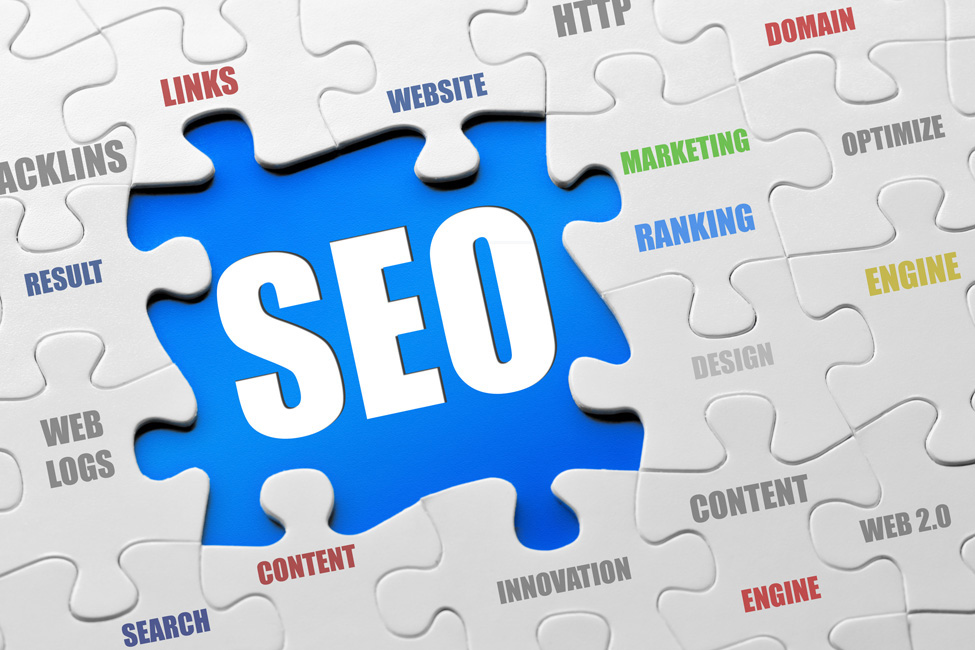
Too much false information exists on the web regarding SEO. Misinformed people pick something up from some misinformed expert, and then these misconceptions circulate on to everyone else. SEO gurus claim to have found secret formulas for getting sites listed on the first page of major search engines, but most are simply selling snake oil. Most of what we think we know about SEO is simply conjecture and nothing more, since we do not work for Google and therefore really have no clue.
Target a Specific Keyword Density
It’s “common knowledge” to many that SERP position depends on a specific keyword density. Some major players pull out numbers claiming that having a keyword density of less than 1.5% is the key. Others say 3%. This simply isn’t true.
Search engine algorithms like Panda and Penguin are closely guarded secrets for a good reason. Many unscrupulous website owners would make their sites appear first on search engine results pages despite having irrelevant or useless information if these algorithms were common knowledge. No keyword density percentage is the magic number. As Google itself states, the true secret to winning the SERP race is having updated and accurate content that is applicable to the performed search, with enough links from reputable sites to indicate its importance.
Additionally:
Keyword stuffing is still one of the fastest ways to get penalized, yet many beginners unknowingly overuse keywords.
Google’s NLP systems today focus far more on context, user intent and topical authority—NOT keyword frequency.
Ignoring Meta Info
Many industry professionals are advocating ignoring Meta info altogether. This is a serious mistake. Meta info provides a search engine with pertinent information about a site and its content. Relevant Meta info should always be included. Ignoring it will get a website nowhere, fast.
Skip Guest Blogging for Low PR Pages
There are countless examples of low PR pages scoring better placements on Google than higher PR pages for the same terms. This can be proven with a simple Google search. Again, search engine algorithms aren’t widely published, so a low PR site can’t be discounted because of that factor alone. Many things come into play, such as relevant content and frequently updated material. Also, even if a page has a low PR, it can have a lot of subscribers, and you want to get in front of those people.
CASE STUDY:
A new marketing blogger wrote a guest post for a low-PR niche site with only moderate traffic but a highly engaged audience. That single post brought in 1,200 referral visitors, 400 new email subscribers, and 3 backlinks from other bloggers who discovered the post. Despite the low PR, the engagement and niche relevance made it more valuable than guest posting on larger sites where his content would have been buried.
Thinking Title Tags Don’t Matter
Title tags may be the most important factor that affects search engine positions. Page titles should be unique, and they should include the keywords that a website owner wishes to place for in searches. Titles should never be longer than 60–70 characters in length. Additionally, they should make sense and entice visitors to read the page. The title is the link that visitors will inevitably click in search engine results and it should be appealing like an ad headline.
Keep Social Networking & SEO a World Apart
Most major search engines, including Google, are giving greater weight to personalized results. Social postings are beginning to appear higher in search engine results. As time goes on it is certain that Google and other search engines will eventually give the same weight to content that is favored by friends and followers in social networks as it does to items that typically appear with a higher ranking according to Google’s traditional algorithm.
Additionally:
Social signals indirectly support SEO by increasing brand searches, backlinks, and user engagement.
Viral content on social media often ends up earning organic links naturally, improving domain authority.
It is a mistake to remain passive and accept that all the SEO recommendations are gospel. There are an infinite number of SEO myths being perpetuated online and some SEO recommendations that are outright scams. The only way for anyone to uncover the truth is to read information on SEO from trusted resources and compare one source against the other.
And remember, Google is constantly changing its algorithms, so what is valid today might completely change tomorrow. How to cope? Write for your audience, not for Google!
This video will explain what SEO exactly is?
Conclusion
SEO myths spread faster than facts, but clarity comes from understanding real fundamentals—quality content, relevance, user intent, and trust. Focus on helping your audience, and search rankings will follow naturally, no gimmicks needed.
Delhi Courses Academy is a leading institute offering the best digital marketing course in Delhi NCR known for its practical training, affordable fees, and industry-focused curriculum. With 15+ certifications, 100% placement assistance, and hands-on projects, it prepares students for real-world challenges.