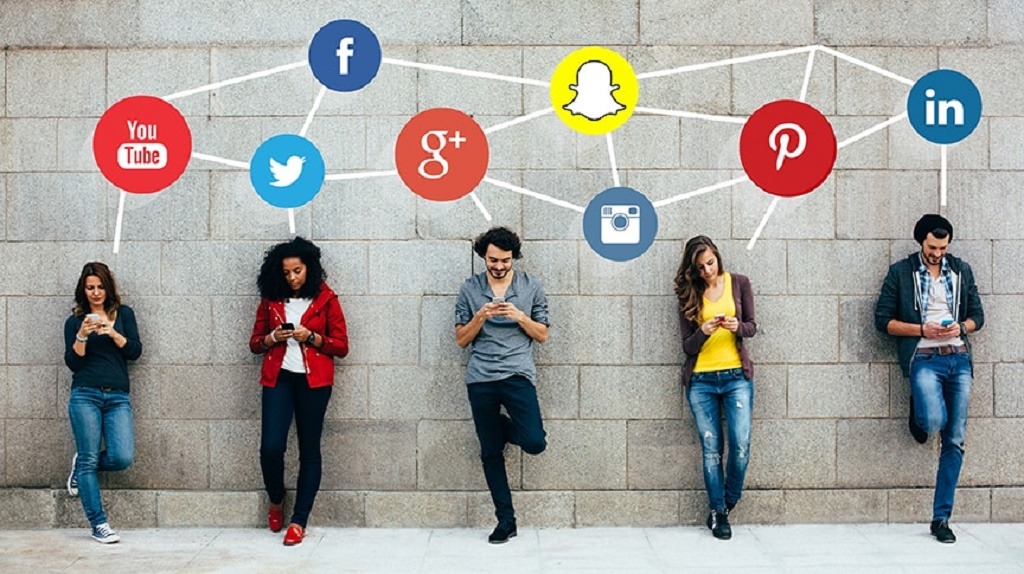
Many photographers have a Twitter account or a Facebook page which they use to share their work and promote their business.
So what do you do when business leads and queries start rushing in? Or when you experience negative attacks? Or when false information about you begins spreading? What is the most appropriate way of handling such situations?
It is a fact that many people would not know what to do in such situations. Here are some basic guidelines that can help web photographers post more effectively in social media.
Additionally: Social media is often the first point of contact between a photographer and potential clients, meaning how you respond publicly builds your brand reputation instantly.
1. Respond Fast
You need to keep in mind that posts or tweets can be seen by your competitors as well as your other clients. Therefore, if you fail to respond quickly, someone else will. Usually, social media users are looking for quick answers to their questions. Therefore, it is important to set time aside to respond to people’s comments. However, since you can’t spend all your time monitoring your social networks, you could ask others in your network to make recommendations and answer queries on your behalf.
Case Study: How Fast Response Earned a Photographer a Big Client
A freelance wedding photographer from Delhi received an inquiry on Instagram but didn’t see it for 12 hours. The potential client had already contacted another photographer. After this incident, he started using quick-reply templates and enabled notification alerts. Within a month, he secured a corporate event client simply because he responded within 5 minutes of their message. This showed that speed equals opportunity in social media interactions.
2. Be Informal and Conversational
Social media is meant to be a very informal way of communicating. Therefore, you need to be approachable by projecting a sense of personality. In addition, your responses should be as transparent and as honest as possible. This will enable you to win the trust of your audience.
Additionally: Showing behind-the-scenes moments, short stories behind photos, or your creative process makes you appear more human and relatable, increasing engagement significantly.
3. Don’t Just Promote the Product, Promote the Benefits
Rather than just talking about your services, you need to outline what benefits your service offers. Eventually, people will begin to see you as an authority or a solution provider in your niche. Therefore, when clients think about the product, they will not only think about the price. This is a strategy that has been very effective in promoting my Thinkstock discounts and iStock photo coupons.
4. Ignore Negative Attacks
When you argue with people who are just out to degrade you, they get a feeling of power and attention. It gives them motivation to say the same things over and over again. Therefore, avoid the temptation of offering an emotional or defensive response.
However, there are times when negative comments come from unhappy customers or just people who have their facts wrong. Such people have a valid point and therefore, you need to respond. Engage them in extensive conversation via social media until their concerns are addressed. Where necessary, you could opt for private communication via telephone or email.
5. Always Acknowledge Compliments
Compliments come from clients who are happy with your work. Such people are likely to recommend you to other individuals within their network. It is therefore important to take time to thank them and mention that you have enjoyed doing business with them. When they feel appreciated, they are likely to come back to you with more work.
Conclusion
Social media can be a powerful tool for photographers when used with purpose and authenticity. By responding quickly, maintaining a conversational tone, promoting real value, handling negativity wisely, and appreciating positive feedback, photographers can build stronger relationships, earn trust, and attract high-quality clients consistently.
Delhi Courses Academy is a leading institute offering the best digital marketing course in Delhi NCR known for its practical training, affordable fees, and industry-focused curriculum. With 15+ certifications, 100% placement assistance, and hands-on projects, it prepares students for real-world challenges.