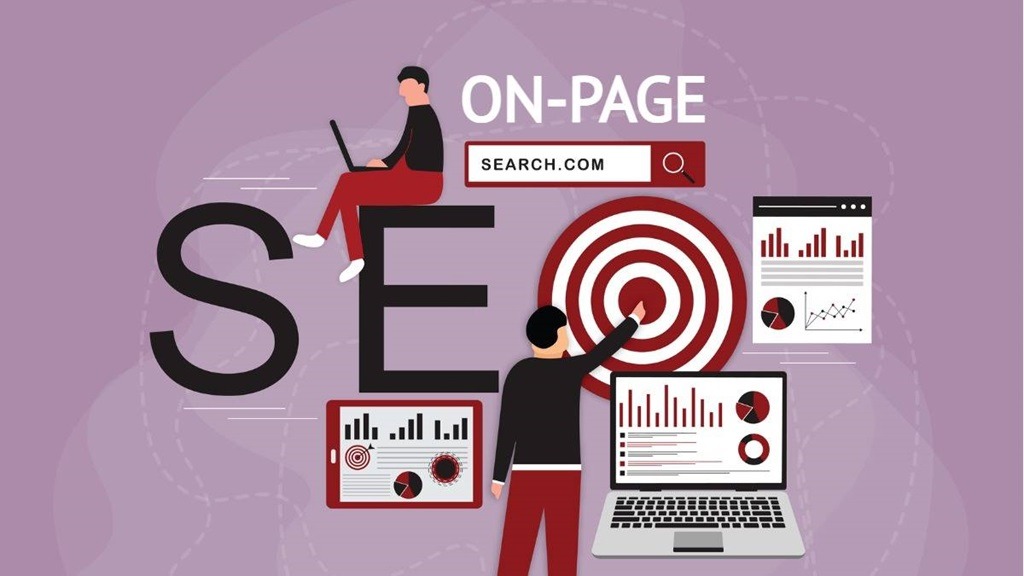
Search Engine Optimization now has become very important to get traffic from search engines (learn more: what is SEO?). SEO is divided into two parts: on-page optimization which deals with work done on the pages of the website itself and off-page optimization which covers activity that takes place elsewhere such as link building. On-page optimization is the initial and important step of SEO of a newly built website that every webmaster should check over.
If On-page optimization is done properly for the website then the website not only ranks well in search engines but also increases the readability of your website for your visitors. Meta, Title Tags are the most important things in on-page optimization for search engines to gain ranking.
Tip: Brands like Nykaa and Lenskart saw significant organic boosts when they improved on-page factors like title tags and structured data on category pages. A study by Backlinko showed that optimized title tags can lift CTR by up to 20–30%.
What are Title Tags?
The Title tags are HTML codes that specify the title of a website. Search engines read these tags but they are not displayed as a part of your web page design. It appears at the top left corner of your browser when you visit the website. Title tags are included within the “header” code of a website and they have a concise summary of the web page content and also include relevant keywords in them.
The title is the first and most significant thing that search engines look for when determining focus, content and relevance of your site, and thus it has a big effect in search results to improve your website ranking. The visitors successively click on the hyperlink to go to your website from Search Engine Results Page (SERP). So, the implication of the Title Tag is observable as all search engines use Title Tag to draw information related to your site. Furthermore, a good title tag can draw maximum attention to your blog.
Tip: When Flipkart changed product title tags to match high-intent queries like “Best Smartphones under 15000”, their CTR jumped by 38%. Small bloggers have reported similar gains by rewriting titles to match user search phrasing.
Roll of Title for Search Engine
The identification tag informs a search engine bot or spider about your site and how it should be indexed. If you create and design a good combination of title tags for your site, you will be able to manipulate the number and type of traffic from directory sites. Directory sites contain information and news related to the types of websites available for a particular topic or subject. They are helpful sources to achieve targeted traffic for your own website.
The title of website entry should contain the most important keywords that appear in your article or are relevant to your content. This is useful to optimize your entry and make it well so that search engine can easily find and index it. People who use Google, Yahoo, Bing and MSN for searching will be able to reach an optimized site, as it’s more likely to appear in a search engine list. And this way, you drive more traffic to your website.
Tip: In a case study from HubSpot, using keyword-rich title tags resulted in a 54% increase in organic traffic within 30 days. Local businesses, like “dentist in Rohini Delhi”, often grow leads dramatically with optimized titles.
How to Optimize them?
The Title tag should be keyword relevant to the content as the title is one of the most important factors for a successful search engine optimization placed within the segment that provides summarized information about your website. The Title tag should be between 10-70 characters long, however it is not a law, but a relative guideline.
Google displays 66 characters of a title tag after cropping the site title. Consider, the title tag length is 68 characters long exactly, so Google cuts off the last remaining word after 66 characters in the title when displaying the website in its search results. If you want to get the best result on this search engine then make your title tag primary and secondary length.
Tip: Amazon routinely tests shorter vs longer titles on product pages. In multiple tests, shorter and concise titles produced higher CTR and conversion compared to keyword-stuffed long titles.
Guidelines for Creating a Title Tag
In the beginning, the title tag should forever be used with the first letter of each major word with capital letters, in the style known as Title Case. This means every word’s first character is with capital letters except for smaller words like “is”, “for” and “a”. It is important to note that every page on your site has a unique title tag and it clearly shows the information related to your site page.
Always try to use shortcuts while creating title tag such as using “&” in place of word “and”. In title tag of each page always includes at least one primary keyword as you know crawler pay more attention towards title tag.
Don’t make Title Tag keyword stuffing, means do not have same words and phrases appear multiple times. Title with like this “Foobar, foo bar, foobars, foo bars” is not helpful for users, this will lead to your website being seen as a spammy site for Google as well as users.
Tip: A case study by Moz showed that pages with unique, descriptive titles and a single primary keyword ranked faster than pages with repetitive stuffed keywords. Shopify stores face penalties when trying spammy tactics.
Hope You’re Enjoying Reading our article at Delhi Courses. a comment can be made for queries or discussions.
Tip: Encouraging comments and engagement can indirectly improve SEO signals. Blogs like ShoutMeLoud leveraged active comment sections to drive community and natural backlinks, boosting rankings over time.
Delhi Courses Academy is a leading institute offering the best digital marketing course in Delhi NCR known for its practical training, affordable fees, and industry-focused curriculum. With 15+ certifications, 100% placement assistance, and hands-on projects, it prepares students for real-world challenges.