Why Your Business Website Needs Search Engine Optimization (SEO)
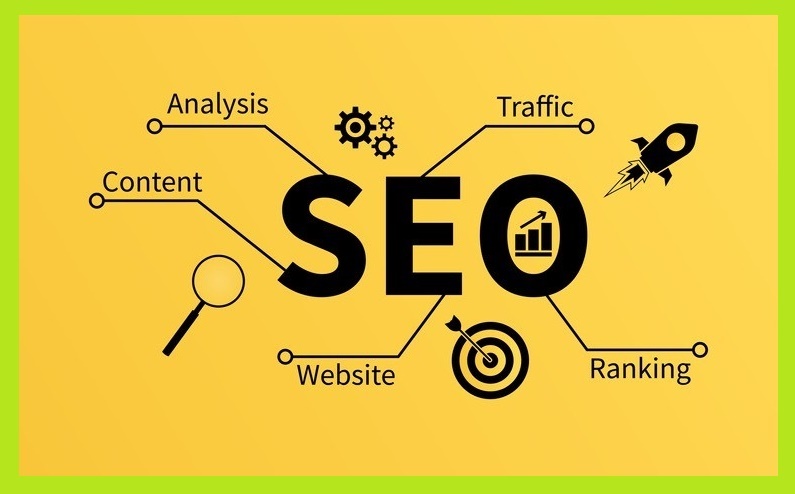
Many people have finally come to see the many advantages and benefits of having a website for their business. Having a website is a great way to get the word out about your company, create connections with your customers and build a community with them, have continuous exposure and advertising for your products and services, and more. But what many business owners with new websites do not realize is that just having a website is not enough on its own. Believe it or not, just because your business is online doesn’t mean business is going to start rolling in. Hordes of people aren’t going to start clicking on your site right away. But you spent a lot of time making a nice site and putting lots of great information on there; why wouldn’t they check out your website?
Well, the simple answer is that they may not be able to find your site. Think about how you use search engines like Google or Yahoo. When you enter a search term for something like a product or service that you need, how often do you click beyond the first or second page of the search results? People very rarely go past the first page of search results and almost never venture beyond the third. But how do you get your site to show up on that first page of search results for your niche? That’s what website search engine optimization is for. So, does your site really need optimization? The answer is yes.
Target the Right Keywords for Your Niche
One of the search engine optimization tasks you will want to do for your website is target crucial keywords for your niche. You don’t need to come up on the first page for every single thing related to your business, and you don’t need—or even want—to rank highly for search terms that are irrelevant to the services you offer. Some people mistakenly think that any traffic is good traffic, but the truth is that traffic won’t help you if it doesn’t convert into paying customers.
So, if you sell deep sea fishing trips in the Atlantic, it’s not going to help you to appear in a search for Atlantic cod from someone trying to decide what brand to buy at the grocery store. What you need to do is target the most important keywords or phrases that people who are genuinely interested in what you offer will be typing into their search engine. For this example, one such phrase would be “deep sea fishing trips in the Atlantic Ocean.” You want to focus on that phrase and optimize your site to rank highly for it. Then you will attract visitors who are actually looking to book a deep sea fishing trip in the Atlantic.
Additionally: Why Relevant Traffic Matters More Than High Traffic
Additionally, focusing on relevant keywords helps ensure that the visitors coming to your website already have intent. This means they are closer to making a purchasing decision, which increases conversion rates and reduces wasted marketing efforts. Quality traffic almost always outperforms high-volume, low-intent traffic in the long run.
Build Credible Backlinks to Improve Search Rankings
Another important step is getting credible links back to your site. You can do this by offering interesting and new information on a regular basis about your niche on your website. When your content provides value, people naturally want to link to it.
Some people think that all links are created equal, but they are not. Some links carry more authority than others. What you need to do is build relationships with other credible and authoritative websites in your niche. When they understand what you offer and how your content can help their readers, they will be more likely to link back to your site. The more credible links you have pointing to your website, the more search engines will recognize your authority, boosting your rankings. Additionally, the more useful information you publish, the more people will engage with your business.
Case Study: Local Business Growth Through SEO Optimization
A small coastal tourism business launched a website showcasing its fishing tours but initially received very little traffic. After identifying niche-specific keywords and optimizing pages around phrases like “Atlantic deep sea fishing tours,” along with earning backlinks from local travel blogs, the business saw a steady increase in qualified visitors. Within a few months, website inquiries increased, and online bookings became a consistent source of revenue.
Instructions: How to Start Optimizing Your Website for Search Engines
Begin by researching keywords that directly relate to your products or services and reflect user intent. Optimize your website pages by naturally incorporating these keywords into titles, headings, and content. Next, create valuable content that others in your industry would want to reference, and reach out to relevant websites to build authentic backlinks. Monitor your performance regularly using analytics tools and refine your strategy based on results.
Conclusion
Having a website is only the first step toward online success. Without proper search engine optimization, even the most well-designed website can remain invisible to potential customers. By targeting the right keywords, attracting relevant traffic, and building credible backlinks, your website can achieve higher visibility, stronger engagement, and long-term business growth.
Delhi Courses Academy is a leading institute offering the best digital marketing course in Delhi NCR known for its practical training, affordable fees, and industry-focused curriculum. With 15+ certifications, 100% placement assistance, and hands-on projects, it prepares students for real-world challenges.